


Top Ranked Fencers
Epee
 Sera SONG
When and where did you begin this sport?
She began fencing at junior high school in Geumsan County, Republic of Korea.
Why this sport?
Her physical education teacher suggested the sport to her.
Learn more→ Gergely SIKLOSI
When and where did you begin this sport?
He began fencing at age seven. "I was doing it for fun until around 14 when I beat the Hungarian No. 1 at that time, and realised that this is serious, for real."
Why this sport?
"When I first tried [fencing], I felt like 'this is me'. Fencing is not only about physical or technical capabilities, it's also about mind games. It's not the fastest or the strongest who wins. It's the one who can put the whole cake together."
Learn more→Foil
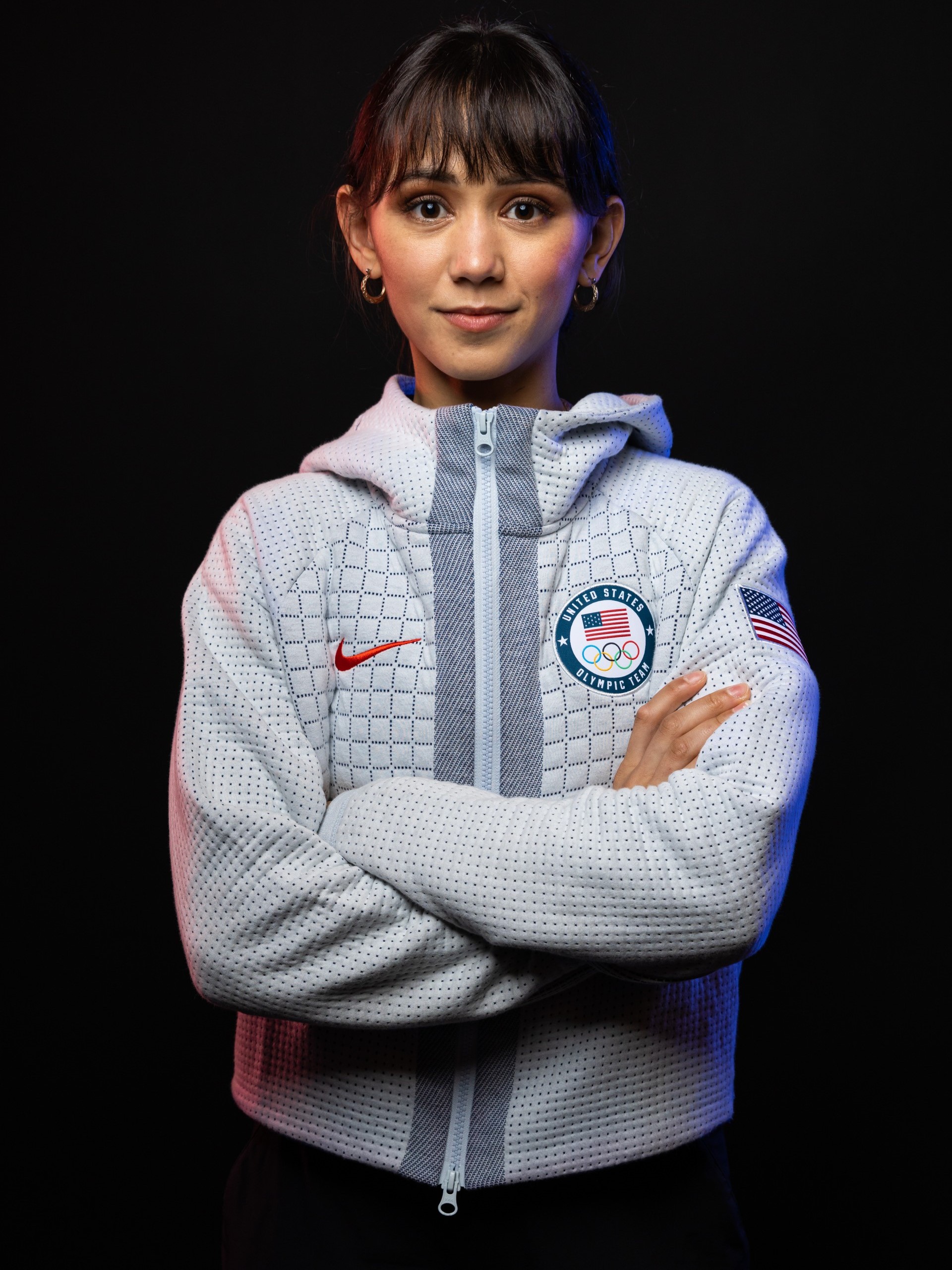 Lee KIEFER
When and where did you begin this sport?
She began fencing at age six after watching her father fence at a local competition. "My siblings and I thought the sport was strange and interesting-appearing, so my dad started teaching us the basics in our empty dining room and taking us to a club twice a week that was 1.5 hours away from where we lived."
Why this sport?
She and her brother and sister followed their father, Steve Kiefer, into the sport. "Growing up my dad decided that he wanted to take up fencing again. He hadn't picked up a foil in 10 or 15 years, and me and my siblings watched him compete at a local tournament. Then he asked if we wanted to try it, and we said yes. Twenty years later I'm still doing it."
Learn more→ Chun Yin Ryan CHOI
When and where did you begin this sport?
He began fencing in grade four of primary school.
Why this sport?
His mother forced him to go to a fencing lesson. "I didn't really want to go, but my mother made me because it was run by a friend of hers and they wanted more students. But, after the class, I loved it and wanted to continue."
Learn more→Sabre
 Misaki EMURA
When and where did you begin this sport?
She began fencing at age nine.
Why this sport?
She was encouraged to try the sport by her parents, and went to a fencing class where her father coached. She took up foil in grade three of primary school, but competed in sabre at a competition which had a prize of a jigsaw puzzle. She then switched to sabre before starting middle school.
Learn more→ Jean-Philippe PATRICELearn more→
Results & Competitions
Latest Results
| Competition | Date | Weapon | Gender | Cat |
|---|---|---|---|---|
| Padua | 2026-03-08 | sabre | M | |
| Athènes | 2026-03-08 | sabre | F | |
| Cairo | 2026-03-08 | foil | F | |
| Cairo | 2026-03-08 | foil | M | |
| Padua | 2026-03-06 | sabre | M |
Upcoming Competitions
| Competition | Date | Weapon | Gender | Cat |
|---|---|---|---|---|
| Budapest | 2026-03-13 | epee | M | |
| Budapest | 2026-03-13 | epee | F | |
| Lima | 2026-03-20 | foil | M | |
| Lima | 2026-03-21 | foil | F | |
| Astana | 2026-03-26 | epee | M |
In Indonesian culture, the portrayal of mothers, or "ibu" in Indonesian, has been a staple in various forms of media, including literature, television, and cinema. These portrayals often weave complex narratives around family values, sacrifice, and love. When romantic storylines are intertwined with these narratives, they offer a rich tapestry of emotional depth and cultural insight. Traditional Values and Modern Twists Traditionally, Indonesian stories emphasize the role of the mother as a caregiver and moral compass of the family. These narratives highlight her sacrifices and pivotal role in maintaining family harmony. However, with the evolution of media and changing societal norms, the depiction of mothers in romantic storylines has also undergone significant transformations.
Moreover, they play a significant role in shaping and reflecting cultural attitudes towards motherhood, romance, and family. By presenting a spectrum of experiences, these narratives contribute to a more empathetic understanding of the challenges and triumphs associated with love and motherhood. "Cerita indo ibu" with romantic storylines offer a compelling blend of emotional depth, cultural insight, and relatability. As these narratives continue to evolve, they not only mirror the changing landscape of Indonesian society but also contribute to a richer understanding of universal themes such as love, sacrifice, and family. Through their exploration of motherhood and romance, these stories remind us of the enduring power of love and the pivotal role of mothers in the fabric of family and society. In Indonesian culture, the portrayal of mothers, or
Such storylines serve as a reflection of the societal values placed on family, love, and relationships. They also open up discussions on the challenges faced by mothers in balancing their personal desires with familial responsibilities. The appeal of "cerita indo ibu" with romantic storylines lies in their ability to resonate with audiences on an emotional level. These stories, often described as heartwarming and poignant, allow viewers to reflect on their own experiences with love and family. Moreover, they play a significant role in shaping
Modern Indonesian stories now explore a broader spectrum of experiences, including the mother's journey in love, her challenges, and her aspirations beyond the confines of traditional roles. This shift not only reflects the changing dynamics of Indonesian society but also offers audiences a more nuanced understanding of motherhood and romance. The integration of romantic storylines into "cerita indo ibu" adds layers of complexity and relatability to the narratives. These stories often revolve around themes of love, loss, and longing. For instance, a narrative might explore a mother's unrequited love, her journey through widowhood and finding love again, or her role in facilitating her children's romantic journeys. and longing. For instance